
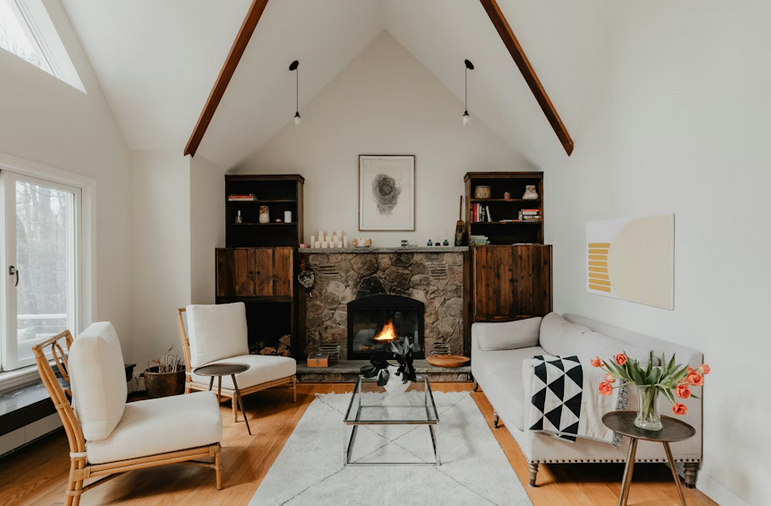
mid-century home decor

Ultimate Guide to Mid-Century Modern Home Design in 2026

Mid-century modern keeps coming back because it just works. Clean lines. Warm wood. Furniture that looks sharp but still invites you to sit down and stay awhile. In 2026, the style feels even more relevant because people want calm homes that don’t look like clutter museums. If your goal is “expensive but relaxed,” this guide is your roadmap.

Layout and Flow That Feels Open, Not Empty

Mid-century spaces love breathing room. That doesn’t mean you need a huge house. It means you arrange furniture so people can move without doing the awkward sideways shuffle. Start with the main pathway, then build the seating area around it. If you can walk to the couch without bumping a chair, you’re already winning. Zoning helps a lot in modern homes. Use a rug to anchor the living area and keep furniture legs visible when possible. Raised legs create a lighter look and make small rooms feel bigger. Keep bulky storage pieces to one wall, not scattered everywhere. The room should feel like a conversation, not a traffic jam.

Materials That Read Warm and Intentional

Wood is the heart of mid-century style. Walnut, teak, and warm oak tones show up again and again for a reason. They add richness without needing extra decor. Pair wood with leather, wool, linen, and ceramic for a texture that feels natural. Skip shiny plastics that scream “office breakroom.”

Color Palettes That Feel 2026, Not Costume

Classic mid-century colors still work, but 2026 leans a bit calmer. Think warm whites, soft taupes, olive greens, clay tones, and muted blues. Then add a pop color like mustard or burnt orange in small hits. Pillows, art, and a single accent chair can do the job. You don’t need a rainbow to make a room feel alive. A good rule is “base calm, accents bold.” Large surfaces stay quiet, so the home feels restful. Small pieces bring personality. If you love patterns, use them in one place, like a rug or curtains. Too many patterns can look busy fast, like your room is talking over itself.

Lighting That Creates That Clean, Cozy Glow

Lighting is a big deal in this style. Mid-century fixtures often have sculptural shapes and warm finishes. A sputnik chandelier, an arc floor lamp, or a globe pendant can act like functional art. The goal is soft, warm light that flatters the space. Layer your lighting. Use overhead light for general brightness, then add lamps for cozy corners. Table lamps with fabric shades help soften the room at night. Place a lamp near seating so reading feels easy. Lighting should feel like a warm handshake, not a spotlight.

Furniture and Styling That Looks Collected, Not Crowded

Mid-century furniture is about clean shapes and comfort. Look for simple silhouettes, tapered legs, and low profiles. A statement piece works best when it has space around it. A big credenza or a classic lounge chair can anchor a room without extra clutter. Styling should be edited. Use a few strong objects instead of lots of small ones. Large art with breathing room looks more confident than tiny frames scattered everywhere. Add plants for softness and height. Keep surfaces clear enough that you can actually live there, because your home is not a museum exhibit.…

Continue Reading


flye

Rent vs. Buy a Home: The Key to Successful Home Finance

Deciding whether to rent or buy a home is one of the biggest financial choices you’ll make in your life. While both options have their perks, navigating the myriad factors can be overwhelming. How do you know if you’re making the right decision? The answer often lies in understanding some key concepts that impact your budget and lifestyle.

From hidden costs of ownership to local market dynamics, each element plays a crucial role in shaping your financial future. Whether you’re dreaming of homeownership or weighing the flexibility of renting, it’s time to explore what truly makes sense for you financially. Let’s get started and get the best financial route for you.

The 5% Rule and Hidden Costs of Owning

The 5% rule is a handy guideline for prospective homeowners. It suggests that you should account for 5% of your home’s purchase price each year to cover maintenance and unexpected repairs. Homeownership isn’t just about the mortgage payment. Hidden costs can add up quickly, including property taxes, homeowner’s insurance, and utilities.

These expenses often surprise new buyers who focus solely on their monthly payments. Additionally, consider potential HOA fees if you’re in a community with shared amenities or services. They may seem minor initially but can impact your budget significantly over time.

Break-Even Point in Your City

Understanding your break-even point is crucial when deciding whether to rent or buy a home. This figure varies significantly from one city to another. In some urban areas, housing prices skyrocket, making renting more appealing in the short term. In contrast, smaller towns might offer affordable properties that allow buyers to reach their break-even point sooner.

Consider factors like local market trends and property appreciation rates. A thriving job market can boost demand for homes, increasing values quickly. You also need to factor in how long you plan to stay in the area. If you’re relocating often, renting may be a smarter choice than buying into a fluctuating market.

How Mortgage Rates Change the Equation

How Mortgage Rates Change the Equation

Mortgage rates play a crucial role in the rent versus buy debate. When these rates fluctuate, they can significantly impact your monthly payments and overall affordability. Higher mortgage rates mean higher monthly payments. This can make homeownership less appealing compared to renting.

On the other hand, lower rates could tip the scales in favor of buying, allowing you to invest in property rather than pay someone else’s mortgage. It’s not just about the immediate costs either. A slight increase or decrease in interest can lead to thousands more—or less—over the life of a loan. Moreover, long-term economic conditions often influence these rates.

Tax Benefits You Might Not Qualify For

When considering whether to rent or buy, tax benefits can be a major factor. However, not every homeowner enjoys the same perks. Many assume they will qualify for mortgage interest deductions. This isn’t automatic and depends on your total itemized deductions exceeding the standard deduction limit.

Homeowners may also miss out on property tax breaks if they fail to apply for local exemptions. Some jurisdictions offer reductions based on age or income, which could significantly lower annual costs. Additionally, capital gains exemptions are often misunderstood. If you sell your home and make a profit but haven’t lived there for two of the past five years, you might face hefty taxes on those gains.

Weighing all these factors will guide you toward the right decision for your lifestyle and financial goals. Whether you choose to rent or buy depends on personal preferences and economic conditions unique to your area. Take time to assess what works best for you. After all, having a roof over your head should be about more than just finances; it’s about finding a place where you truly feel at home.…

Continue Reading